 dust and starlight
Night skies
Utah dark skies
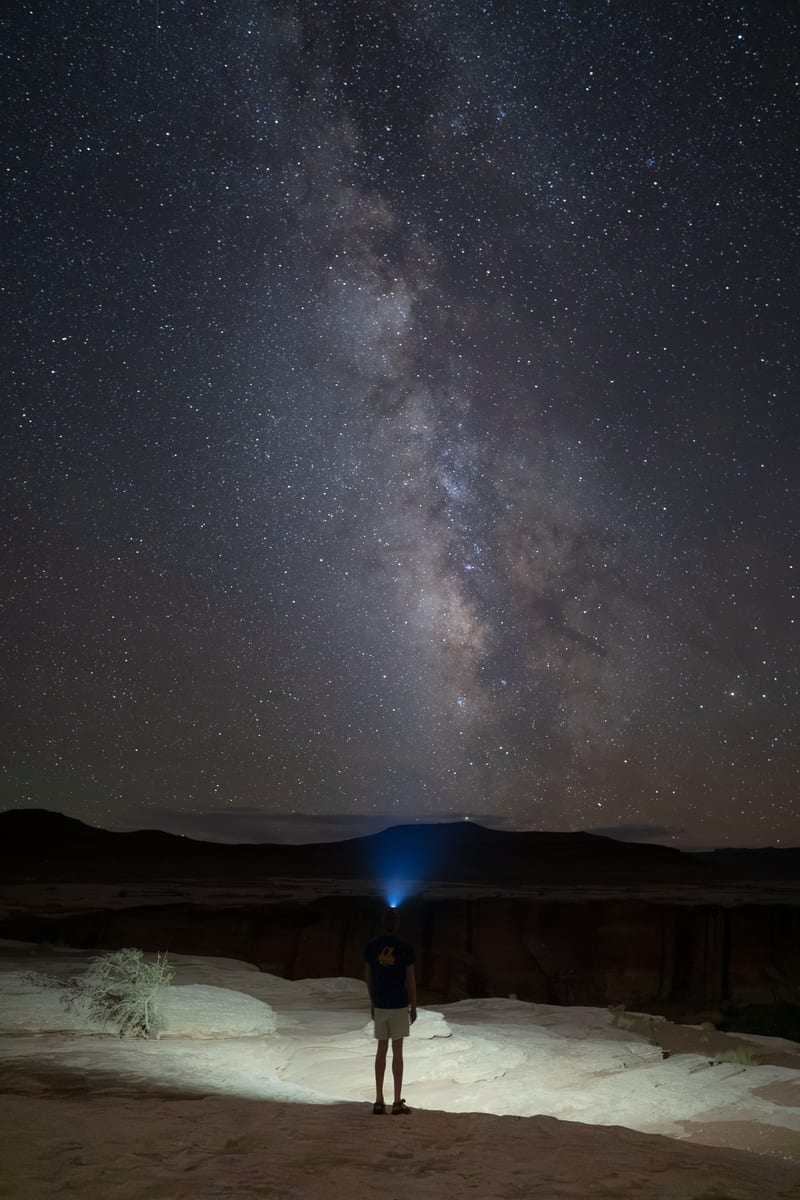
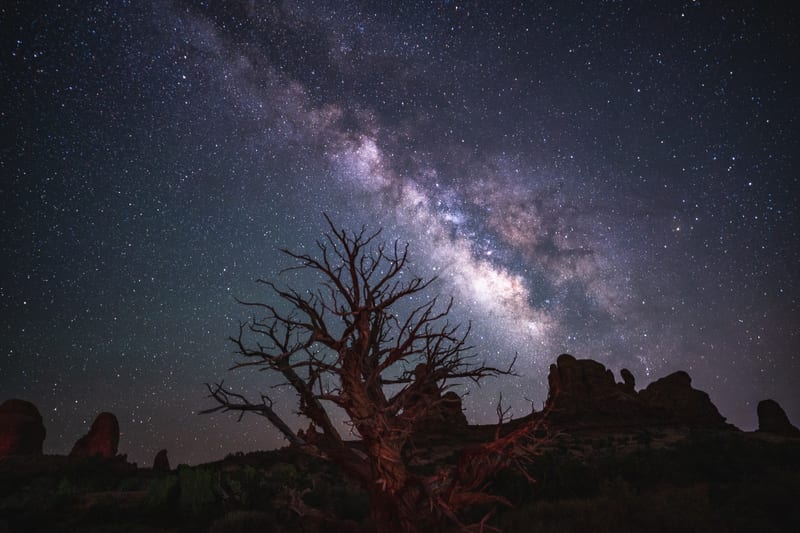
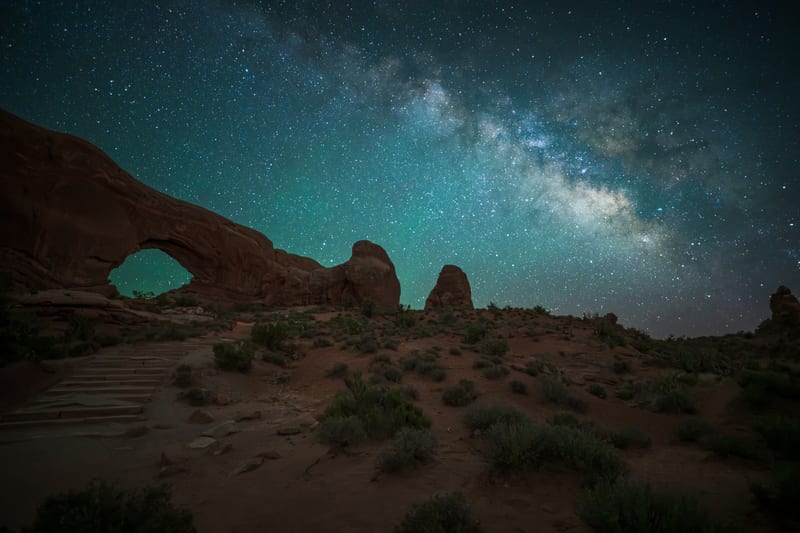
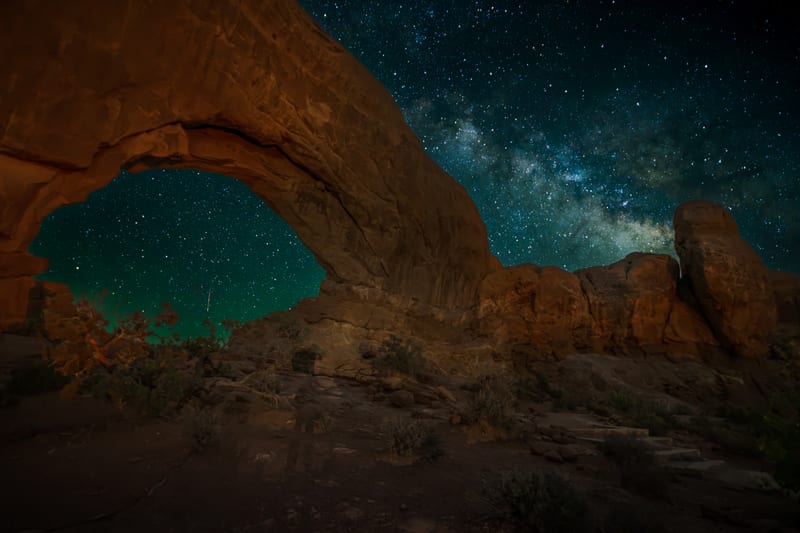
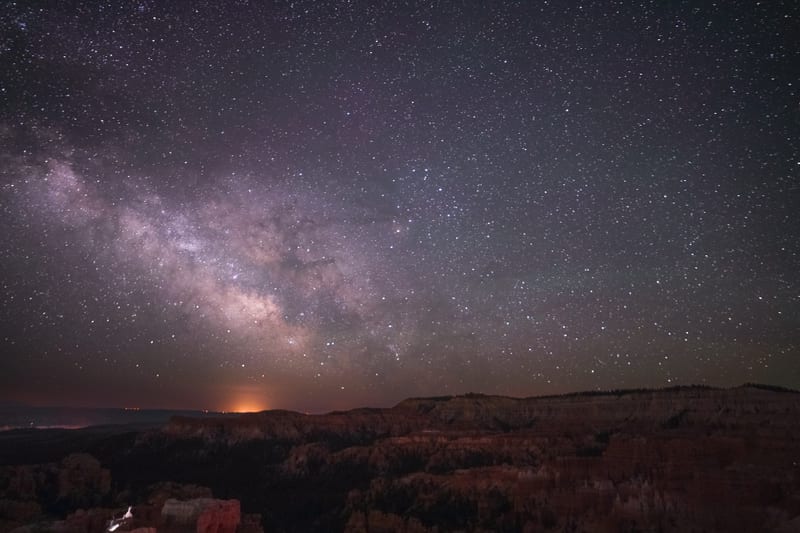
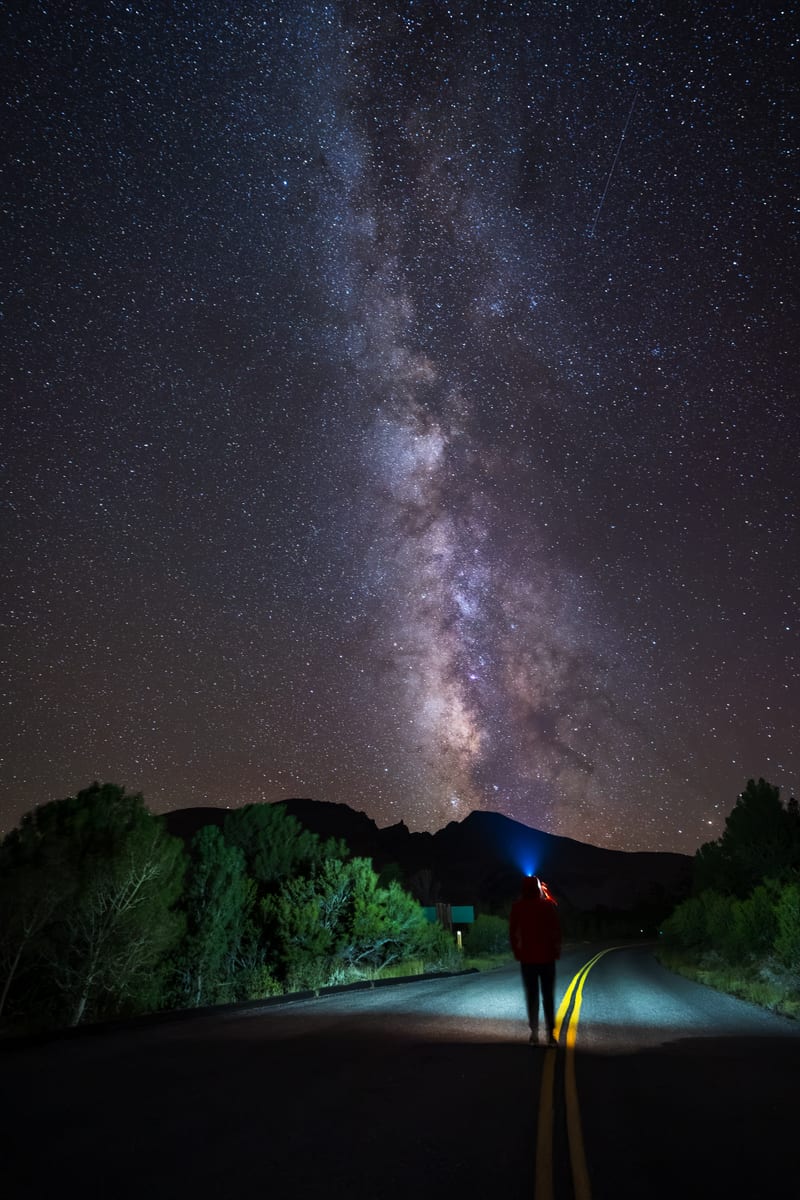
Juniper branches beneath the Milky Way, hoodoos at Bryce Canyon, a mountain road in Great Basin: the night photographs here keep the land in the frame. The stars belong to a place, and the shape of that place is part of the photograph.
These frames come from DarkSky-certified places in Utah and the wider West. Open a photograph for its story and print options, explore Utah's certified places below, or use the planning notes to choose a night outside.
Night frames from certified places
8 frames · 6 places
Canyonlands National Park
International Dark Sky Park · certified 2015 · Utah
Arches National Park
International Dark Sky Park · Silver tier · certified 2019 · Utah
Bryce Canyon National Park
International Dark Sky Park · Gold tier · certified 2019 · Utah
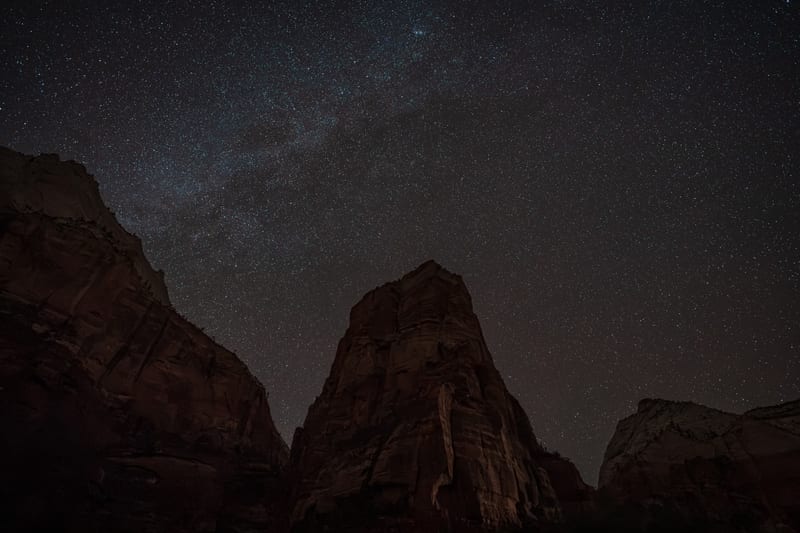
Zion National Park
International Dark Sky Park · certified 2021 · Utah
Great Basin National Park
International Dark Sky Park · certified 2016 · Nevada
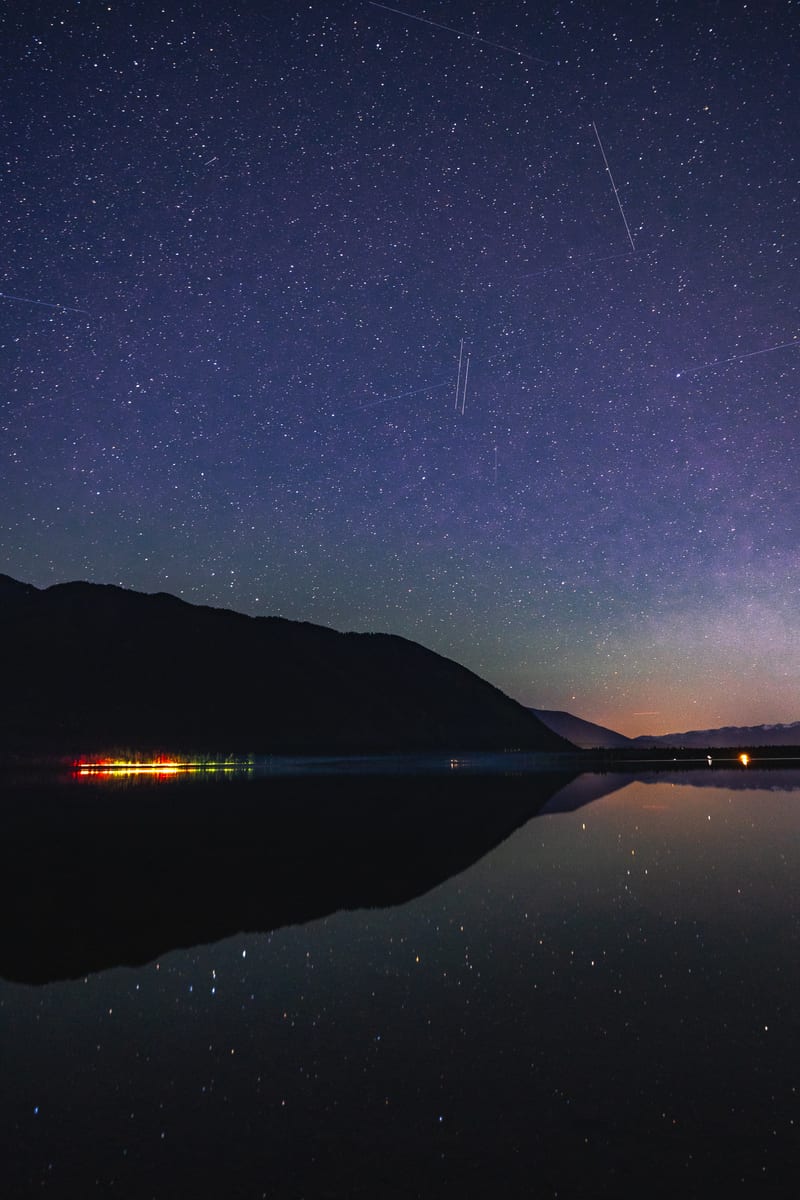
Waterton-Glacier International Peace Park
International Dark Sky Park · certified 2017 · Montana / Alberta
Utah's 28 certified dark sky places
As listed by DarkSky International, October 2026
DarkSky International recognizes places that protect the night through responsible lighting, conservation and public education. Its categories cover parks, remote sanctuaries, reserves, communities and urban night sky places. Certification describes a commitment to protecting darkness; the view on a particular night still depends on the moon, weather and nearby light. The links below lead to DarkSky's designation records, with our place pages where available.
International Dark Sky Parks 19
- Natural Bridges National Monument2007
- Hovenweep National MonumentGold tier · 2014 · Utah / Colorado
- Canyonlands National Park2015 · darksky.org
- Capitol Reef National Park2015 · darksky.org
- North Fork Park2015
- Dead Horse Point State Park2016
- Goblin Valley State Park2016
- Antelope Island State Park2017
- Cedar Breaks National Monument2017
- Steinaker State Park2018
- Arches National ParkSilver tier · 2019 · darksky.org
- Bryce Canyon National ParkGold tier · 2019 · darksky.org
- Dinosaur National Monument2019 · Utah / Colorado
- East Canyon State Park2020
- Fremont Indian State Park2021
- Goosenecks State Park2021
- Jordanelle State Park2021
- Rockport State Park2021
- Zion National Park2021 · darksky.org
International Dark Sky Sanctuaries 1
International Dark Sky Communities 6
- Torrey2018
- Helper2020
- Springdale2023
- Castle Valley2024
- Moab2024
- Bluff2025
Urban Night Sky Places 2
How to see it
The moon
For faint stars and the Milky Way, look for a clear night near new moon, or hours when the moon is below the horizon. Check moonrise and moonset for the place and date as well as the phase: a partly lit moon can leave several dark hours. Moonlight changes the landscape too, illuminating cliffs while washing out fainter stars.
The season
In Utah, summer brings rich views toward the Milky Way's center. By early autumn it appears earlier in the evening and moves toward the west. Winter brings Orion, the Pleiades and longer nights. The time of night matters as much as the month, so check a star chart for your date and location, then check the forecast and the park's current access information.
The Bortle scale
The Bortle scale describes sky brightness in nine classes, from 1, the darkest, to 9, the brightest city skies. A DarkSky designation is not a Bortle reading, and we do not assign a class to each park here. Nearby lights, the direction you face and conditions on the night all affect what you can see. A clear horizon and a place away from direct light can make a useful difference.
Before you go
Check the park's current hours, road conditions and nighttime access before setting out. Bring layers, water and a dim red light, download your map ahead of time, and give your eyes 20–30 minutes away from bright lights to adjust. Stay on designated trails and keep lights and noise low around other visitors and wildlife.
Planning sources: NASA's guide to finding a stargazing place and Zion's stargazing guide. For certification details, see DarkSky's International Dark Sky Places program.
Keep exploring: all night-sky photographs, photographs by place, or choosing a print.